As we enter Auschwitz II-Birkenau, those precise Auschwitz I streets and buildings may feel…contained. Now enter the vast, sometimes beautiful desolation of Birkenau. We start at the Death Gate, end in the Krematorium fields, then onto a pond nurtured by ashes.
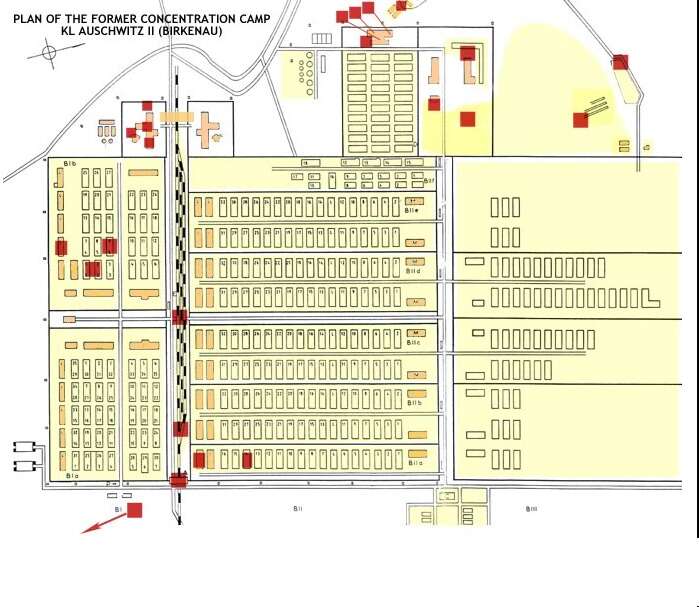
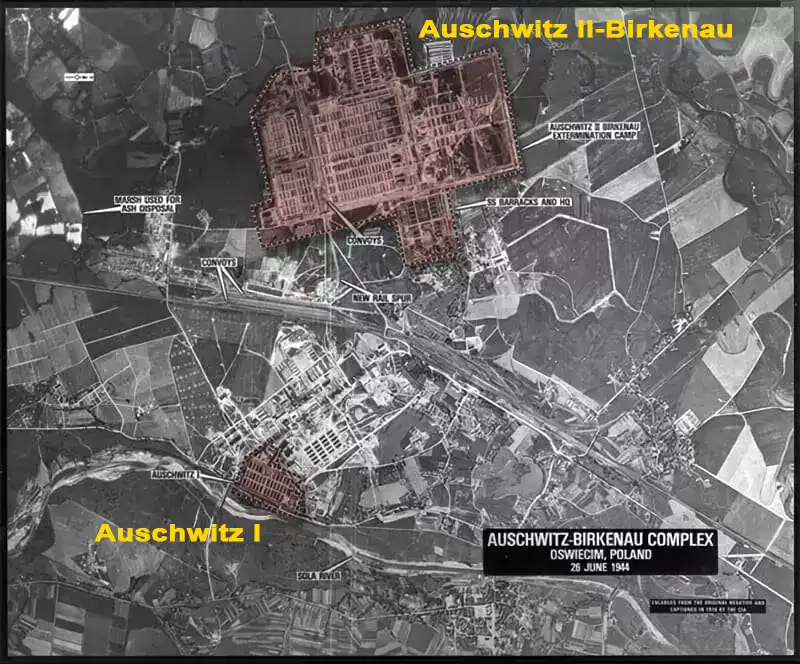
Birkenau was the largest of the Auschwitz sub-camps and the primary site of mass murder. Built two miles from the original camp in 1941, it held up to 90,000 prisoners at peak capacity across a vast complex of wooden barracks, electrified fences, and watchtowers.
As you go through the Tour, listen to the roaring silence that is Auschwitz today.
Birkenau Map follows the Tour
The Tour Begins at the Death Gate
Entering Birkenau: The Extermination Camp
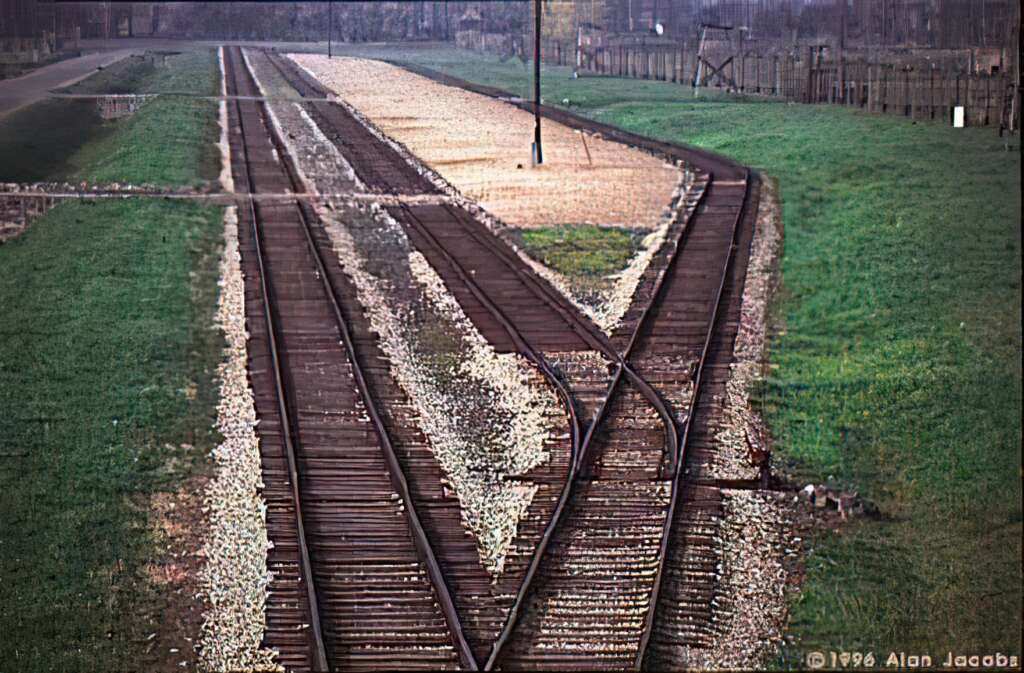
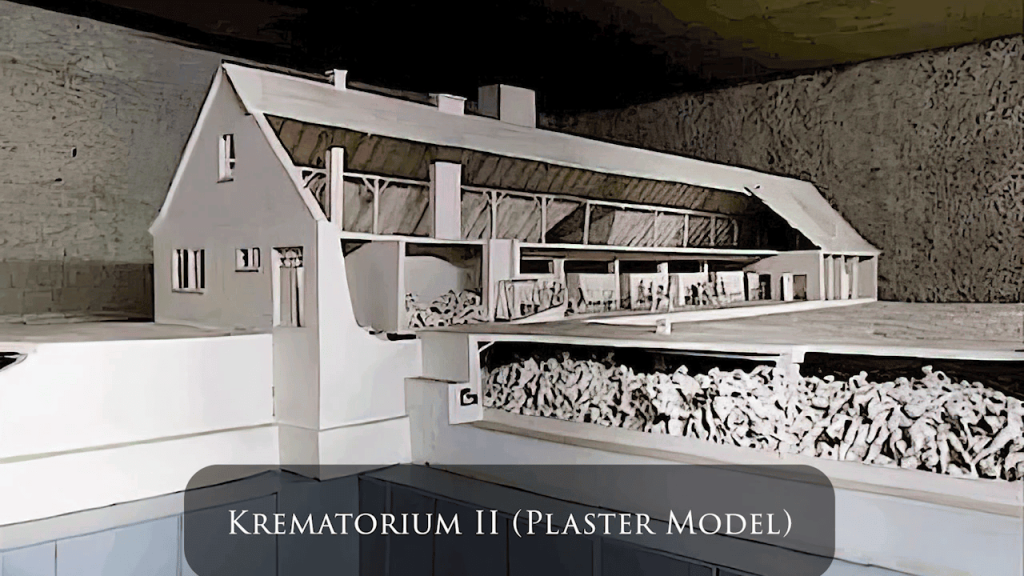
The train tracks running through the Death Gate carried hundreds of thousands of Jewish men, women, and children directly to the gas chambers. Four large crematoria — now in ruins, destroyed by the SS before liberation — stood at the far end of the camp.
The Death Gate
Start inside the rail entrance to Birkenau. The building it passes through is the main SS guardhouse.
Immediately after disembarking from the trains, prisoners were made to line up in two columns: women and children in one, and men in the other.
Background painting: Oil: Mieczyslaw Koscielniak, survivor Reproduction courtesy of Auschwitz Museum Archive, 1980
Daily Life in the Camp
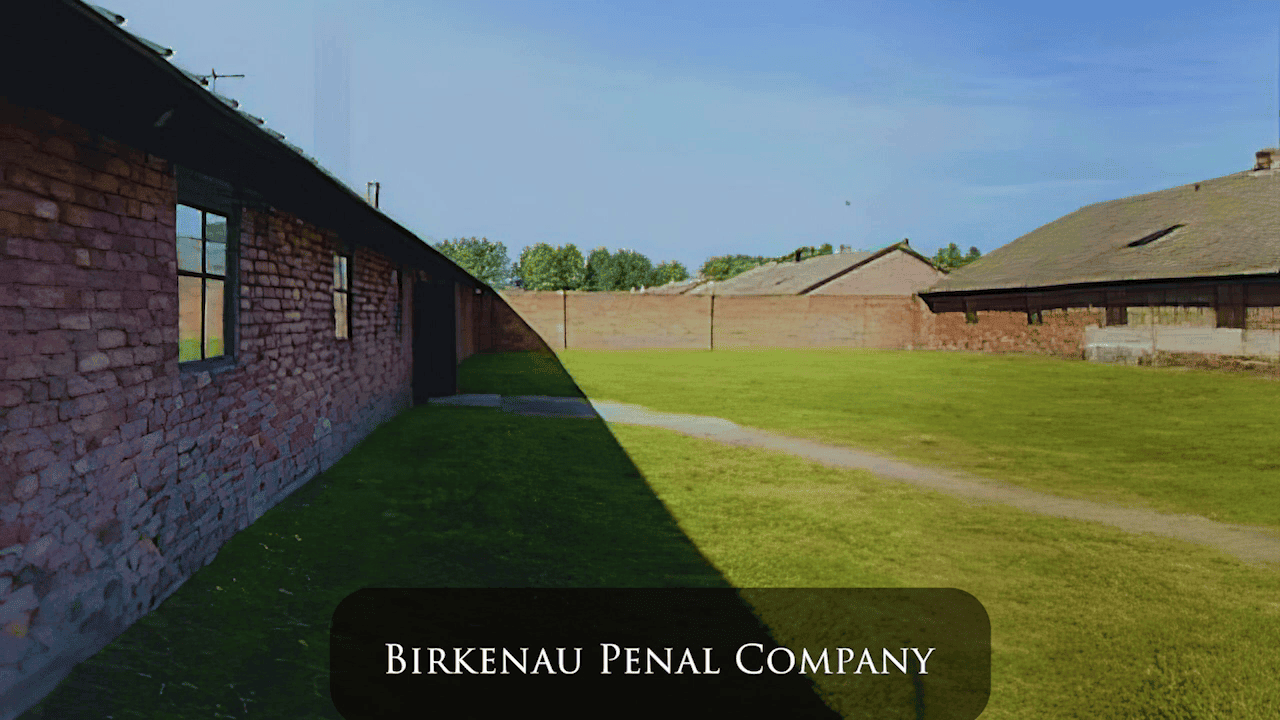
In three tiered bunks, or hutches, there were at times 9–12 persons on each level. If prisoners wanted to turn, the whole row had to turn over with them. The front half of these barracks contained washing facilities. The latrines were accessible for only short periods. The Birkenau penal company became a punitive unit specifically designed to punish female prisoners.
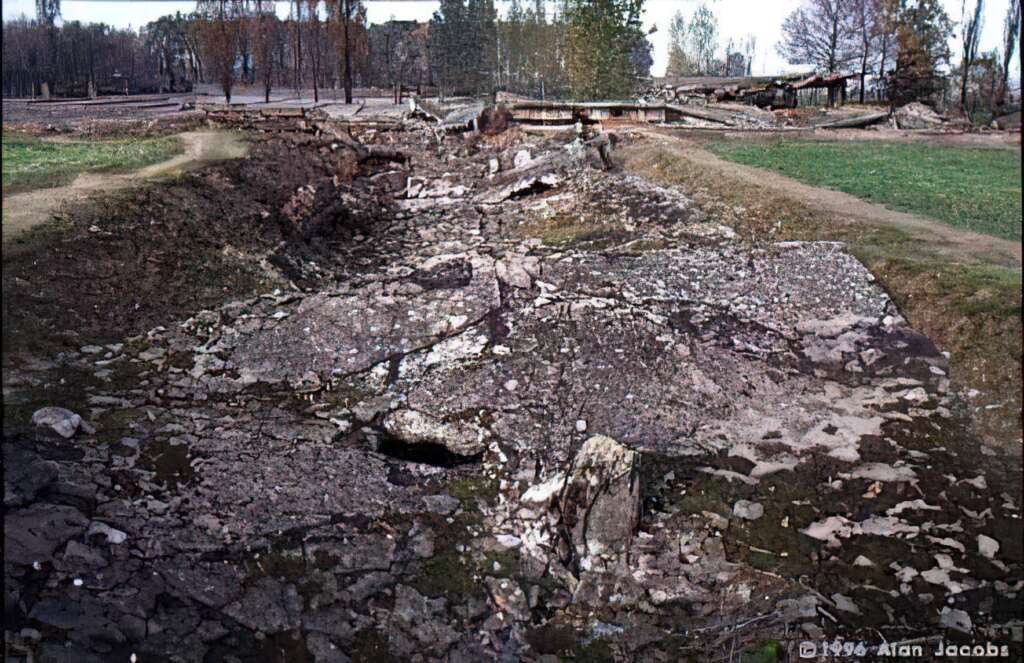
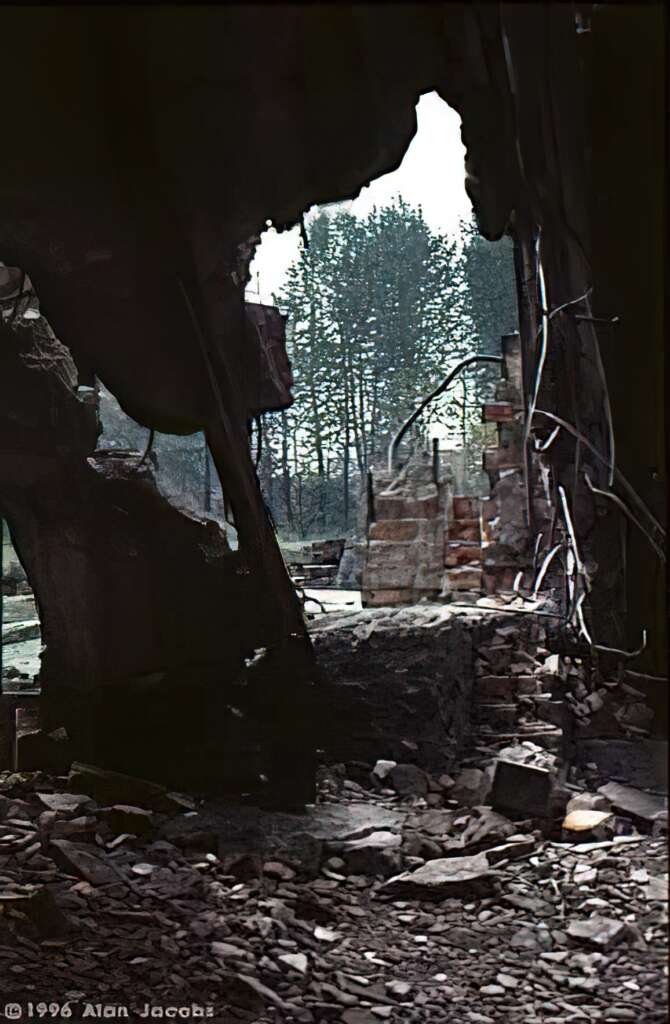
“But then, if you really want to know more, go back to Krakow for a day or two, eat, sleep drink, wear clean clothes… all that, and then go back and sit at the entrance to Krematorium II, Birkenau. Sit on the top step leading to the undressing room. Just sit. It is very quiet back there, apart from the roaring of the past millions.
Sit there for a while, calm down and think about why this happened.” Alan Jacobs
This fence line is the extreme end of the main Birkenau camp. We are facing west. Scroll a bit past the guard tower to view the back end of the Memorial with its flag poles for all the countries who’s citizens lost their lives here.
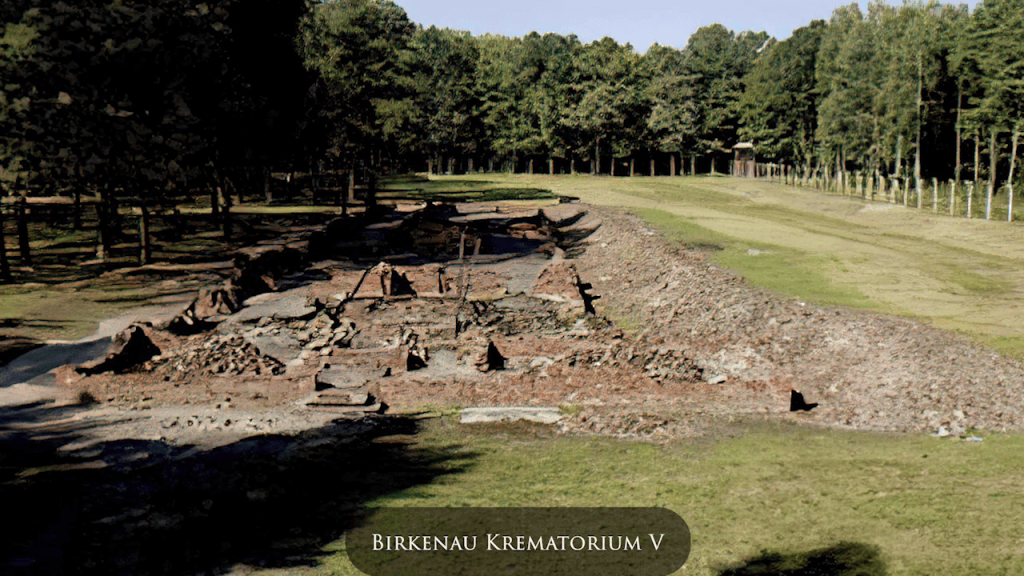
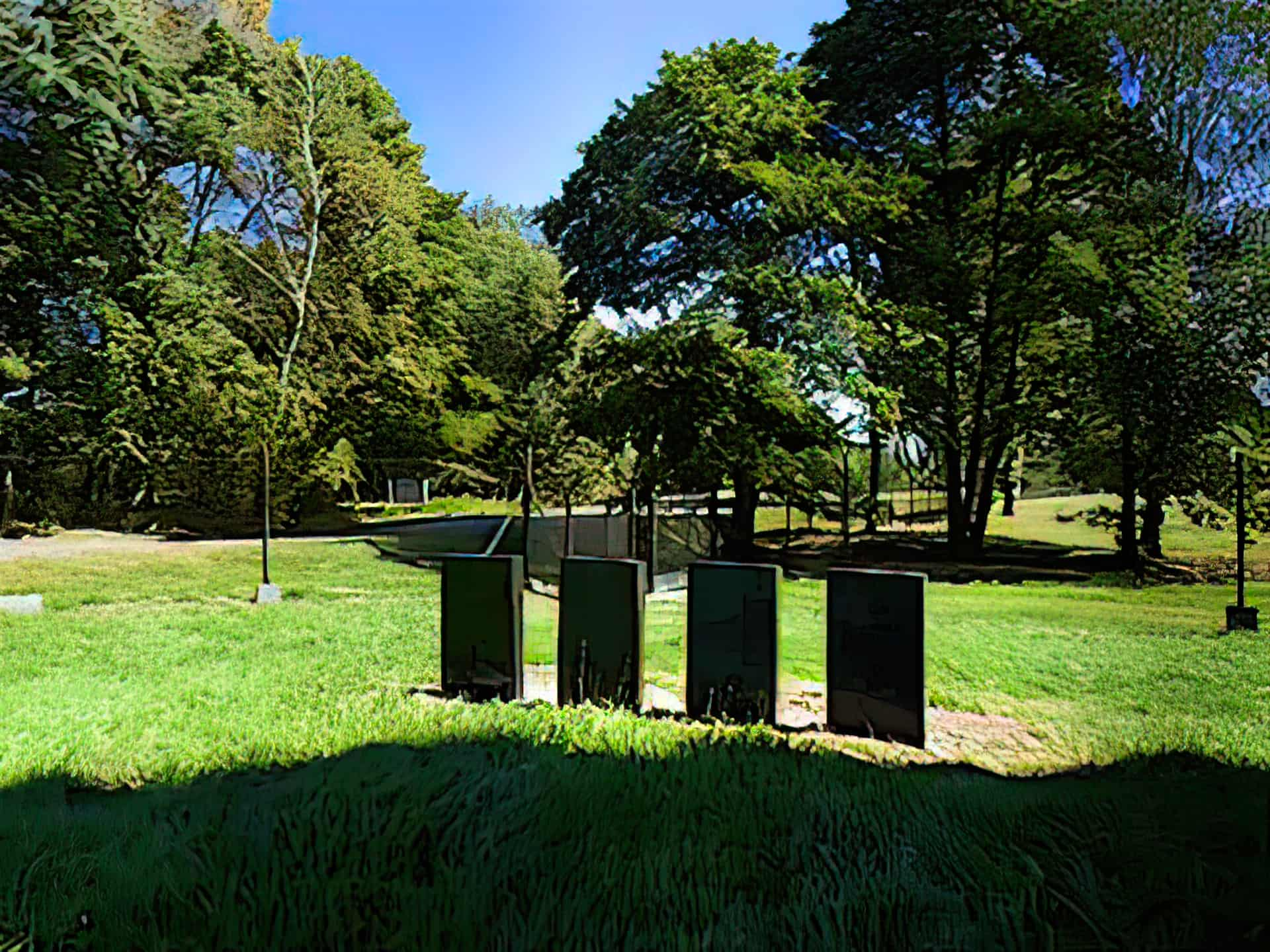
Krematorium V began operations on April 4, 1943. As you continue scrolling, you see a field reaching to the far corner, and four memorial stones. Just to their left and past the shaded area is where the burning pits for the Krematorium were located.
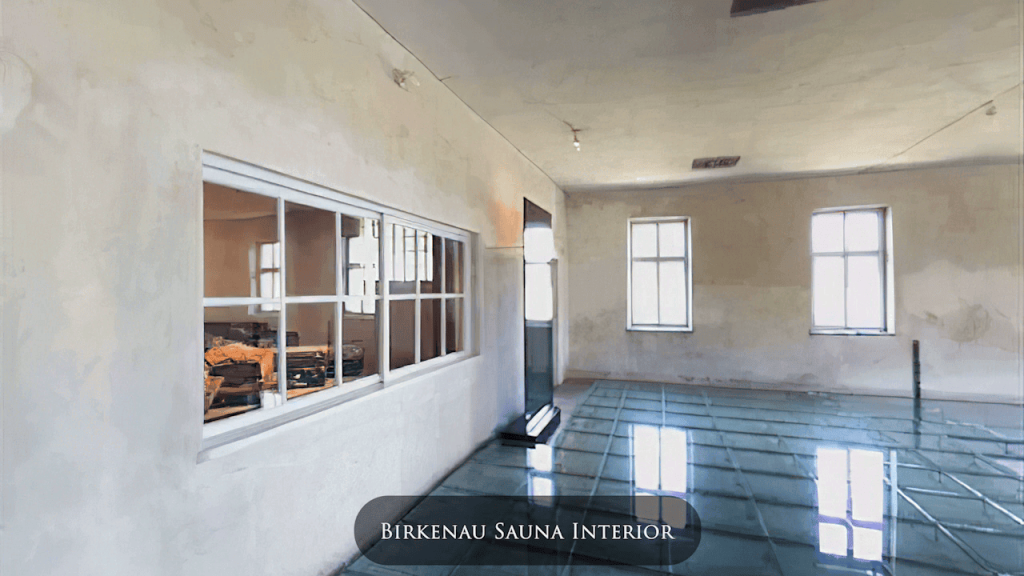
This is where prisoners selected for slave labor were processed at the Birkenau Sauna and Kanada. Often people would have to wait outside naked in any weather. Here they would have to give up all their remaining possessions: money, jewels, even wedding rings and photos.
The prisoner was left with only one possession, his or her body. In this building planned humiliation was performed on the confused and terrified new arrivals.
The End of the Virtual Tour: Auschwitz II – Birkenau
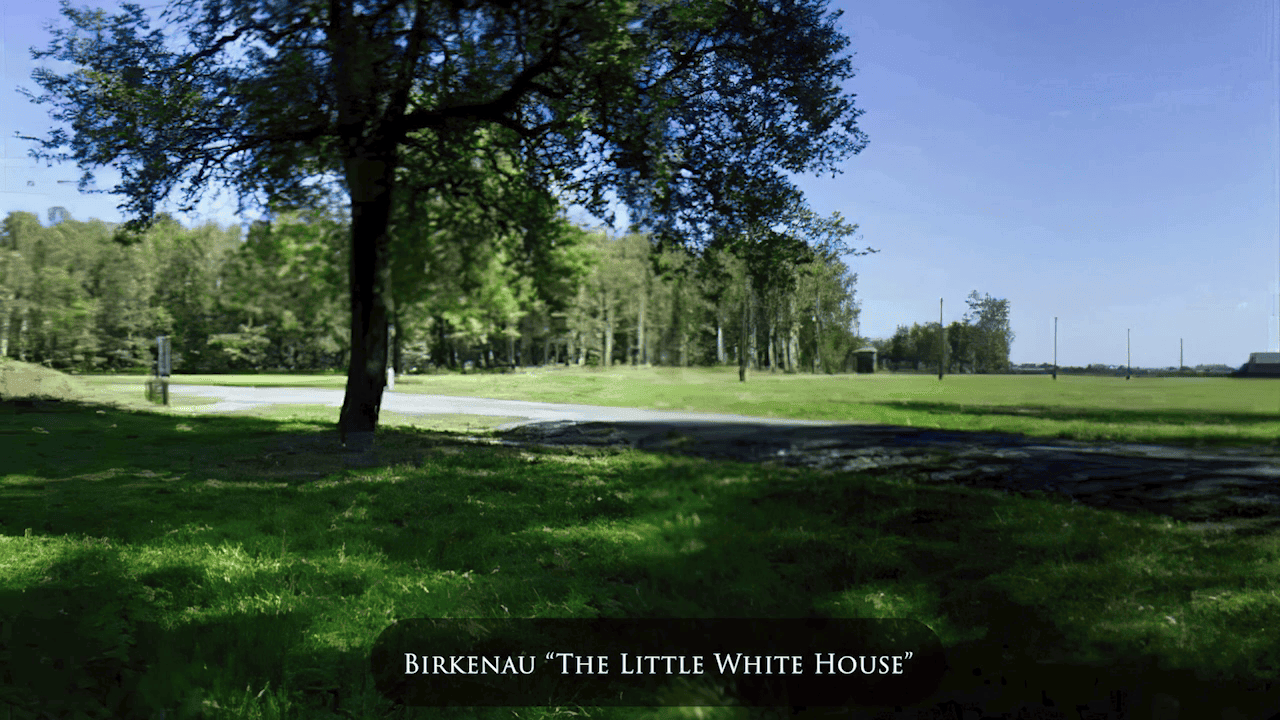
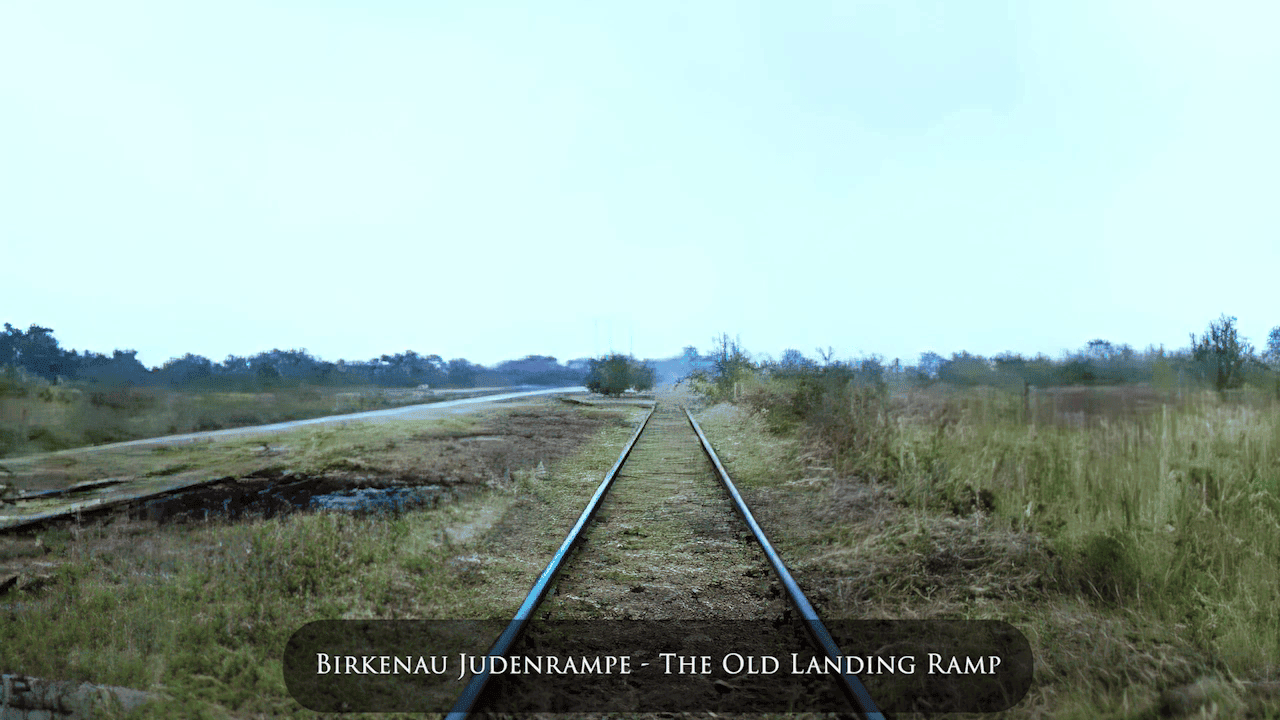
The Birkenau Little White House – also called Bunker 2 – was used until the spring and summer of 1943, when the larger Krems II, III, IV, V were opened. Because the walls were plastered, it was called the “Little White House.” Until the huge camp at Birkenau was completed in 1944 victims were unloaded at the Judenrampe – The First Unloading Ramp at Birkenau, now about a half-mile from the Birkenau main entrance, The Death Gate.
The Little White HouseFirst Unloading Ramp This Birkenau Russian Graveyard is where about 15,000 Soviet POWs are buried.
Aerial photo of Auschwitz-Birkenau June 1944 — CIA Archives
Alan cautions,
in a response to an email about visiting and taking photos at Auschwitz, he suggests stopping your Tour, and sit still for a minute:
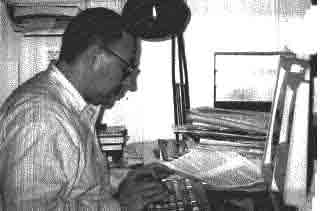
Alan Jacobs in 1979, the year he first visited Auschwitz.
“Look we go in there warm, well fed, with clean toilet facilities taken as a matter of course, with the ability to sit down and rest, this in contrast to the killing labor.
So why should it be so difficult? Well the first time it is for most people as it was for me. But then, if you really want to know more, go back to Krakow for a day or two, eat, sleep drink, wear clean clothes… all that, and then go back and sit at the entrance to Krematorium II, Birkenau.
Sit on the top step leading to the undressing room. Just sit. It is very quiet back there, apart from the roaring of the past millions.
Sit there for a while, calm down and think about why this happened.”