
The Visual Record: Holocaust Historical Photos & Primary Sources
This photo archive brings together primary visual evidence, personal histories, and recovered family collections. From the extensive 25-year photographic documentation of Auschwitz by Alan Jacobs to hidden Polish partisan frames, Czech family portraits, and clandestine images from Hungary, this hub serves as a living visual record.
The Landscapes of Memory: Then and Now
Survivors didn’t just remember events; they remembered places. Through a unique collaboration between Remember.org and photographer Alan Jacobs, our Auschwitz then and now photography project pairs the raw, evocative paintings created by survivor-artists at the Auschwitz Museum with precise modern photographs taken from the exact spots where those memories were framed. Step inside the visual reality of survival.
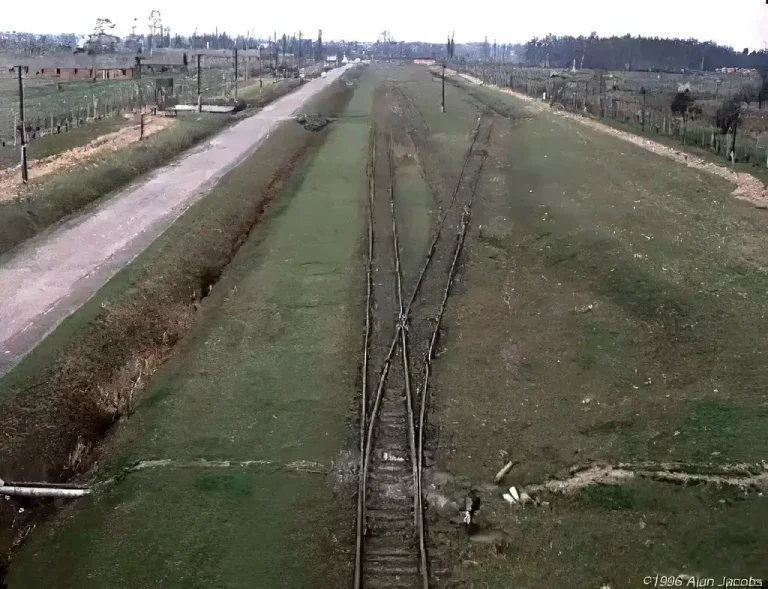
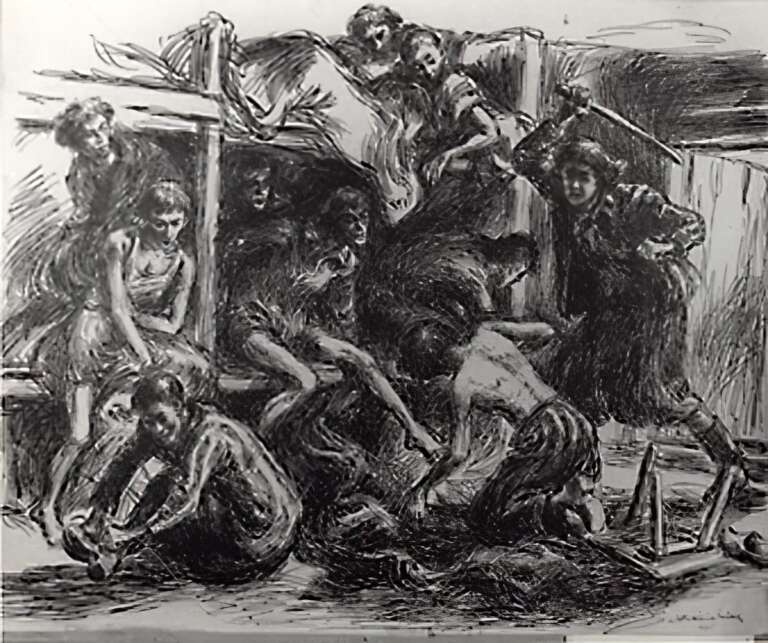

Alan Jacobs has been to Auschwitz and Birkenau many times.
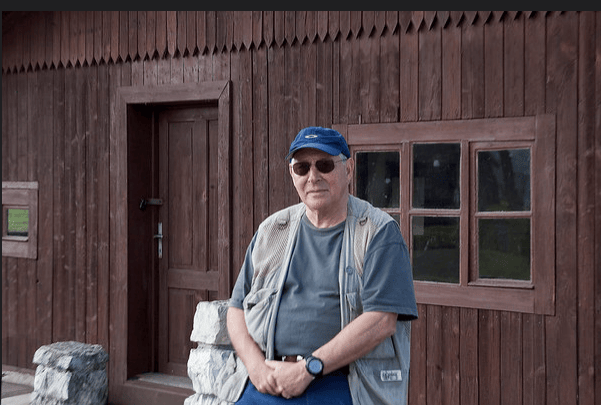
During those visits, he interviewed numerous survivors and took many photographs of the camps. He also spent many hours viewing artifacts, art and photographs stored at the Auschwitz Museum Archives.
There have been several shows of Jacobs Auschwitz photographs, some of which can now be seen on the Internet: Virtual Tour of Auschwitz-Birkenau Interactive map and photographs of Birkenau, Photographs of Mauthausen, Plus the Then and Now exhibit, with Alan’s photos of today compared to paintings and drawings by survivors of Then.
Photograph Collections
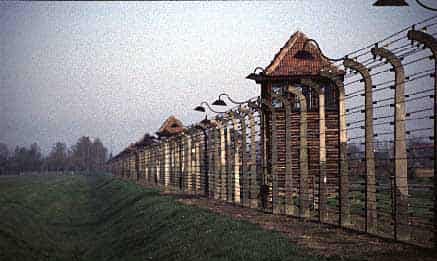 Auschwitz/Birkenau Photographs by Alan Jacobs
 Concentration Camp Photos
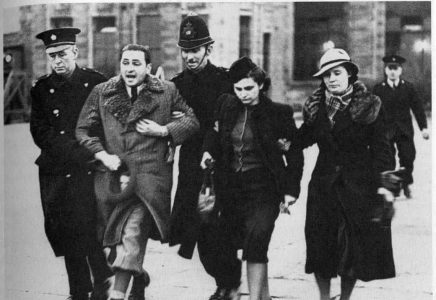 Holocaust Historical Photos
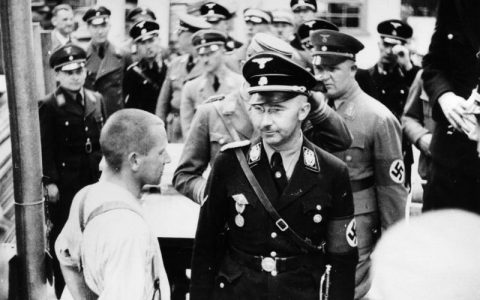 Shoah and Concentration Camp Liberation Photos
 Courage Under Siege: Warsaw Ghetto Photos
 Warsaw Ghetto Photographs and a Map

The White Bus Rescue Photos
In the late winter of 1945, rumors of Hitler’s order for a “final solution” were spreading around Europe. A supposedly “neutral” Sweden opened back-channel conversations with Heinrich Himmler about removing Swedish prisoners from the doomed concentration camps.
These negotiations ultimately led to a plan to lead convoys of buses, and trains into Ravensbrück, Neuengamme and other camps in an effort to rescue the Scandinavian citizens inside their gates.
Tamara a survivor – photo by Myatt Lipscomb
Copyright 1997 Myatt Lipscomb, All Rights Reserved.

About Alan Jacobs
Photographer, writer, psychotherapist exploring power Alan Jacobs was a psychotherapist, and also an author and independent researcher on issues related to genocide and the abuse of power. He has been to Auschwitz and Birkenau many times. During those visits, he interviewed numerous survivors and took many photographs of the camps. He also spent many hours…
Concentration camp of Mauthausen Photo List
Map | List of Photos | Credits Mauthausen Photos # Title Description 1 The Stairs of Death Rock staircase at the quarry. 2 The Rock Quarry The rock quarry. 3 The Parachute Jump Top of the rock quarry. 4 Then and Now: Wiener Graben The rock quarry. 5 Ghosts Rocks at the quarry. 6 The…
Mauthausen Little Ironies – McDonald’s on the way
Prisoners were marched along this route through the town of Mauthausen from the train depot to the camp of the same name. Often children would stand at the side of the road, jeer and thrown stones at them. < Mauthausen Memorial Mauthausen Map – Home | Introduction | Credits
Mauthausen memorial – Iron Spider
I don’t remember just where in the camp I found this but it seems to reveal just what it was that walking into a this camp did to me. It is as if my heart is grabbed by a relentless, mindless force and in the process feels like a stone fallen to the bottom of…
Mauthausen Commandant – Franz Ziereis
Photo credit: Andras Tsagatakis Collection, USHMM. Mauthausen Commandant Franz Ziereis allowed his eleven year old son to shoot prisoners with a rifle from their front porch. Ziereis was wounded by Allied soldiers and subsequently died some time later from his wounds. He never really admitted his crimes. 40,000 prisoners had perished in the first four…
Mauthausen After – It’s So Quiet Now
Six thousand souls waited in this courtyard for 24 hours. In the end, about 140 of them were dead. Photo credit: Franz Amicale Collection, USHMM Photo Archives Date: Jul 1941 < Mauthausen Experiments | Mauthausen Commandant> Mauthausen Map – Home | Introduction | Credits
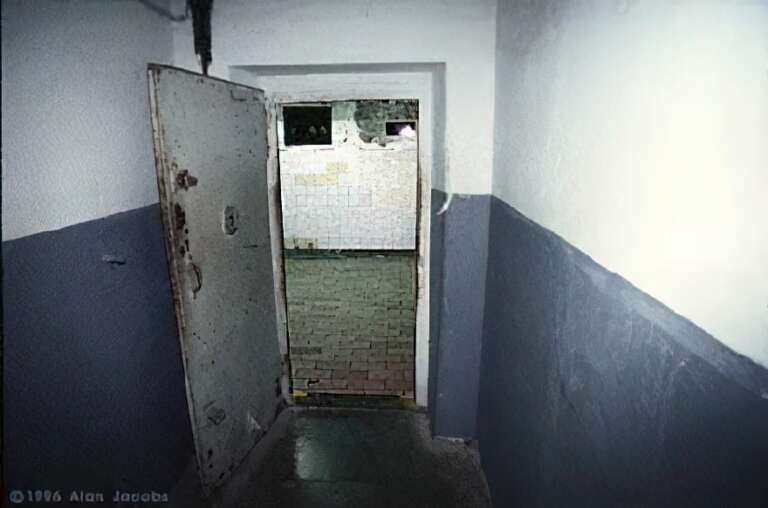


Holocaust Images -Photos
Copyright Notice
You can use these Holocaust images and materials in noncommercial and educational settings. Please ask permission to use these in any other case.
Remembering and Experience
We have photographs taken of survivors, interactive maps, historical world war II photos – some you won’t find anywhere else.
Our Liberators section started by Chuck Ferree includes photos from soldiers.
The Holocaust images you see are from those who where there, and those trying to learn how to stop this from happening again.
- Abe’s Story Interactive Map Accompany Abram Korn through his survival via this interactive map
- Photographer Myatt Lipscomb shares two images from his gallery, “After the Holocaust” and “Tamara, a Survivor”.
- A Christian at Auschwitz Stuart Nichols presents a mixture of essays and pictures of his visit to Auschwitz.
- Haunting Memory, a Triptych of Holocaust Photos Roger Beecroft calls this “mining the media for imagery”; view the pictures and his descriptions.
- “Lest We Forget” This important CD-ROM, “Lest We Forget”, shares video clips and pictures, as well as a view of its interface for teachers.e here! Replace this with any non empty raw html code and that’s it
The Lubaczow Partisans in Poland – Resisters


Virtual Tour of Auschwitz
Auschwitz I
As you begin the Virtual Tour of Auschwitz with Auschwitz I — the first camp established by the Nazis at Oswiecim (the Polish name) in 1940 — you’re seeing it through the eyes of photographer Alan Jacobs, who walked this ground with a camera for over 24 years.
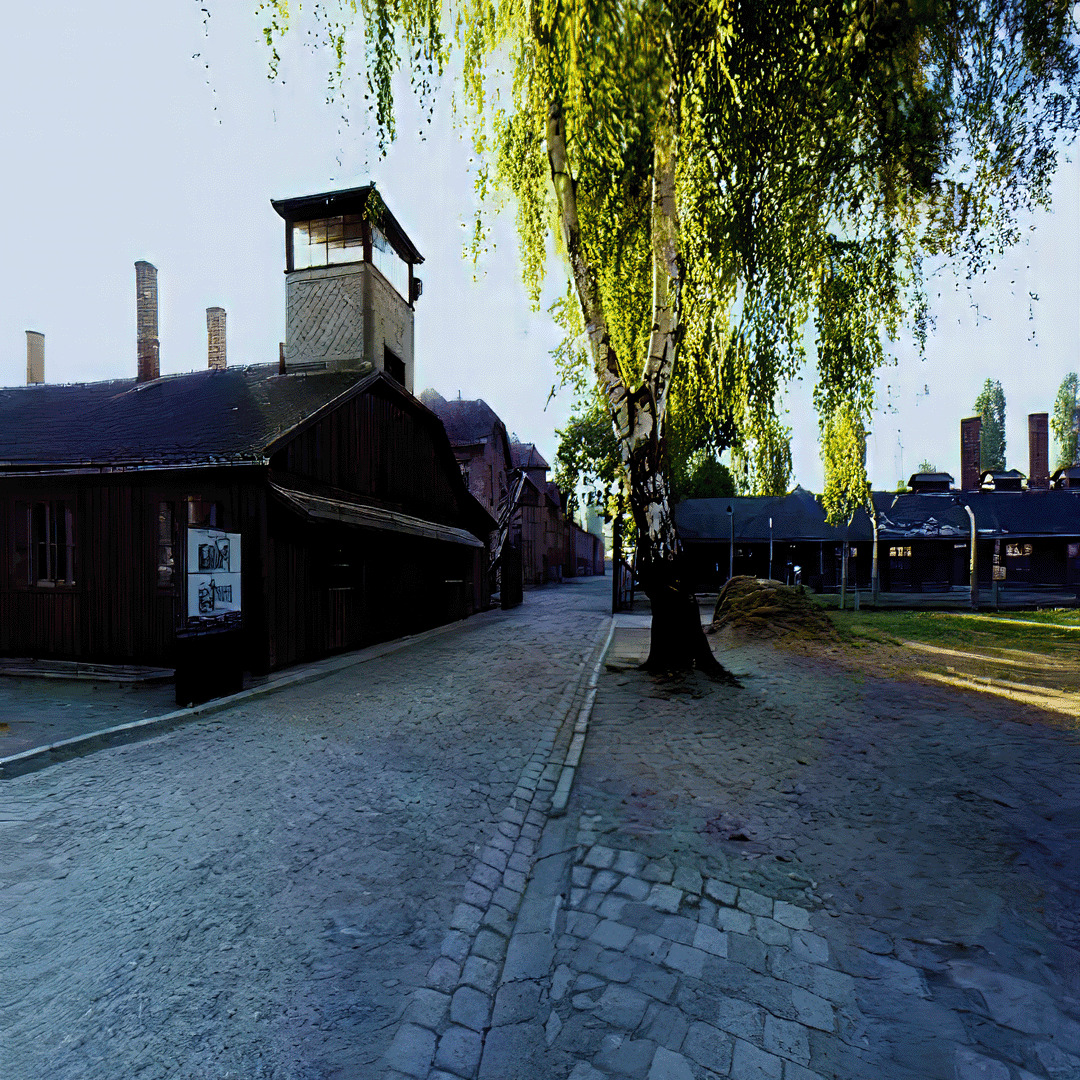
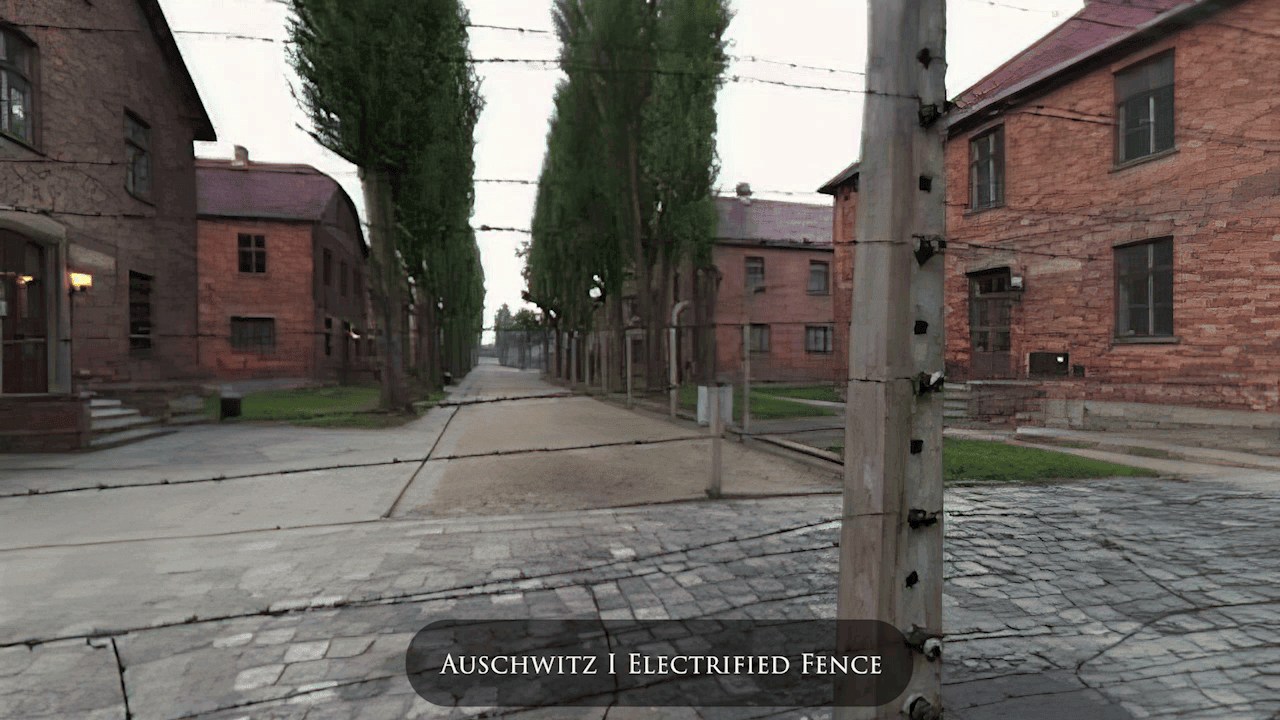
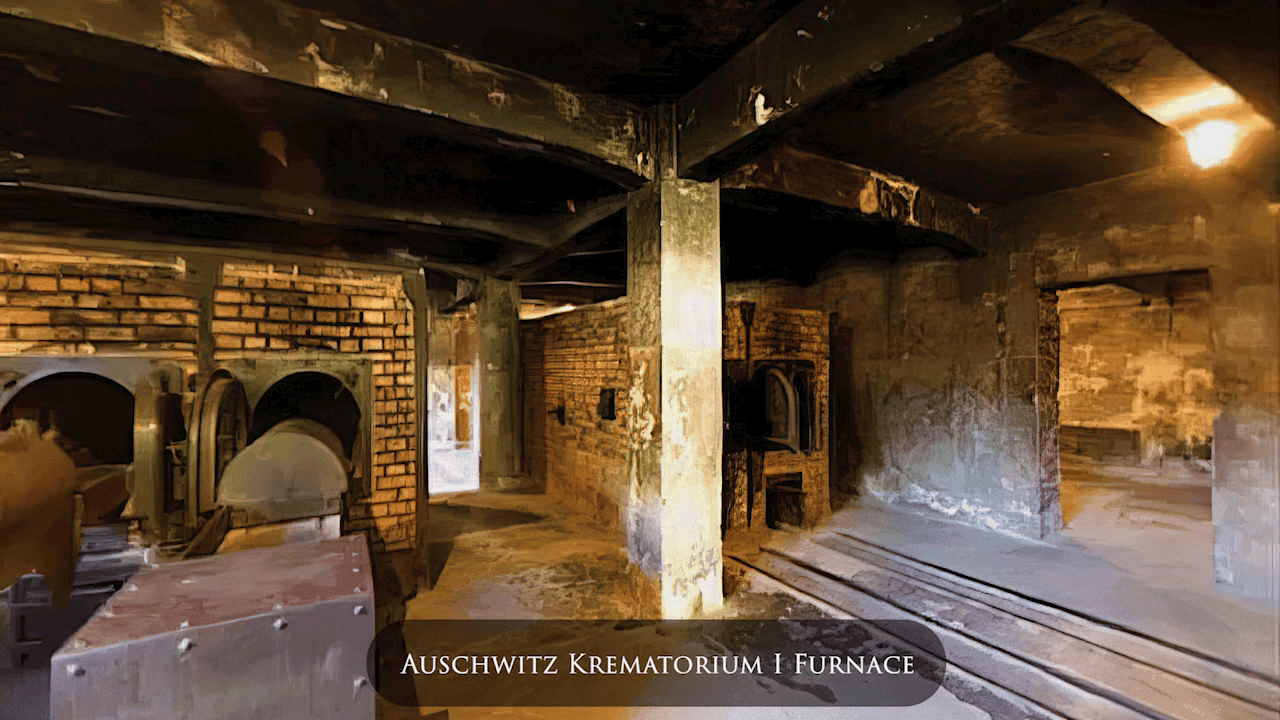
The camp was established in 1940, less than a year after Germany occupied Poland in WWII, and grew over the next few years into an entire complex providing slave labor for the German industrial facilities in the area. In 1942, it became the largest death camp, carrying out Hitler’s “final solution” – the plan to systematically kill all Jews in Europe. It is estimated that between 1.1 and 1.5 million people died here.