
Holocaust Art by Students, Survivors, and Children of Survivors
CAUTION: Some of the exhibits are intense and emotional, drawn from experiences surviving and growing up with the legacy of the Holocaust.

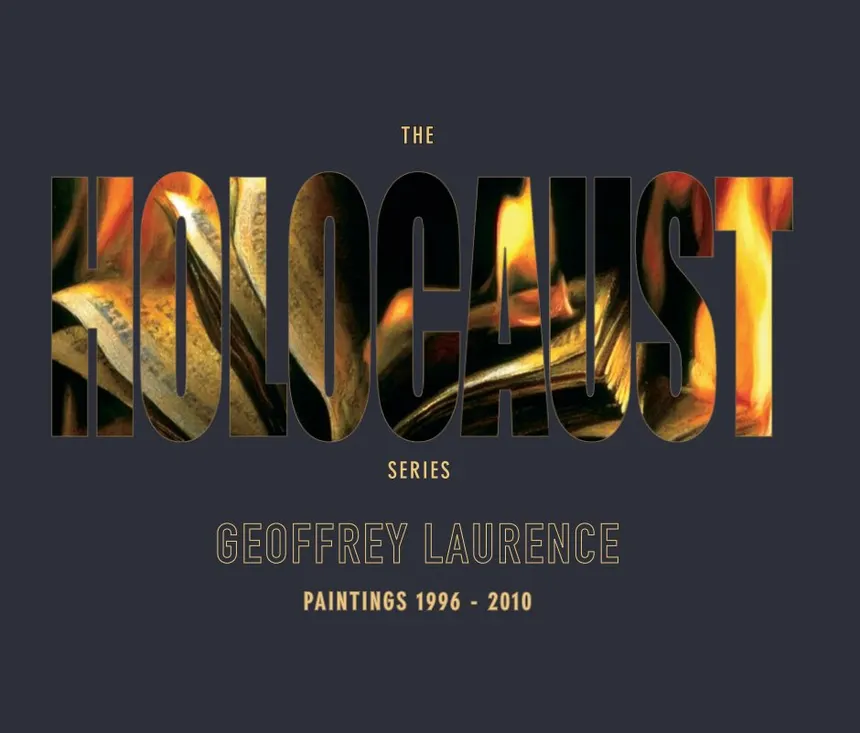
Contemplating My Infamous Inheritance
In writing about the reasoning behind my making the ongoing series of paintings that form under the heading “holocaust”, please understand that my explanation for my need to paint in relation to my personal history and the history of my mostly murdered ancestry is complex and many layered.
When Remember.org opened, our first exhibit was the Imagine Art Gallery. With paintings and poetry by sixth graders, taught by an amazing teacher. Since then artists have reached out, with original work needing a digital stage. Each artist below was a request to be included in our collections to share with teachers and students worldwide.
From children of survivors like Geoffrey Laurence, to a group of Auschwitz survivor paintings, we have art you may not have seen before. Let our artists know which pieces found a place with you. And share this with others, it’s always been free.
The Imagine Art Gallery
“The Imagine Art Gallery explores the concept of genocide in painting and poetry, the artwork created by Anne Williams’ sixth graders is among the most thought-provoking Holocaust depictions we’ve seen. This interactive memorial unites technology and humanity in a positive and powerful way.” NetGuide
“Whatever your own answer, this a Web site that will educate you, move you to tears, and leave you with great hope.” GNN’s Web Review: June 1995
Imagine Art Gallery: Room 2 – Student’s art about the Holocaust
The Imagine Art Gallery features the paintings and poetry of a sixth grade class studying the Holocaust, taught by Anne Williams. The expression of learning about the Holocaust, as well as reading stories by Holocaust survivors, make this an important site for learning about the Holocaust.
Holocaust Student Art Project – Imagine Art Gallery: Room 3
The Imagine Art Gallery features the paintings and poetry of a sixth grade class studying the Holocaust, taught by Anne Williams. The expression of learning about the Holocaust, as well as reading stories by Holocaust survivors, make this an important site for learning about the Holocaust.
Holocaust Art Projects – Imagine Art Gallery, Room 4
The Imagine Art Gallery features the paintings and poetry of a sixth grade class studying the Holocaust, taught by Anne Williams. The expression of learning about the Holocaust, as well as reading stories by Holocaust survivors, make this an important site for learning about the Holocaust.


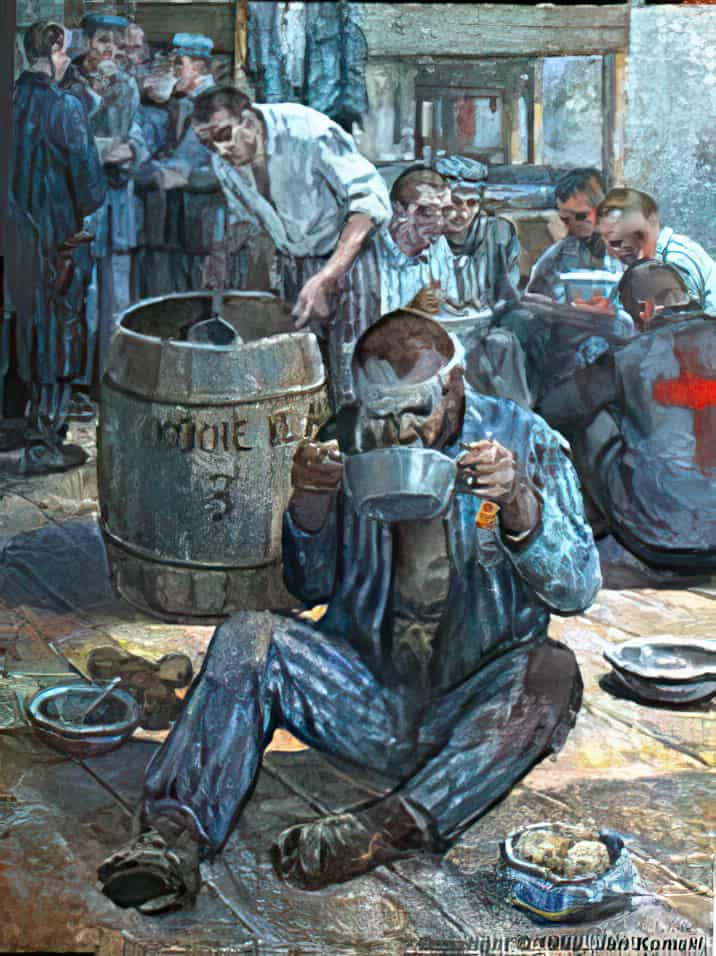
Jan Komski: Auschwitz Survivor Paintings


Art and Artists
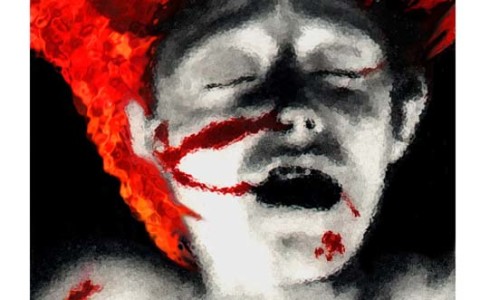 Holocaust Art Series by David Aronson
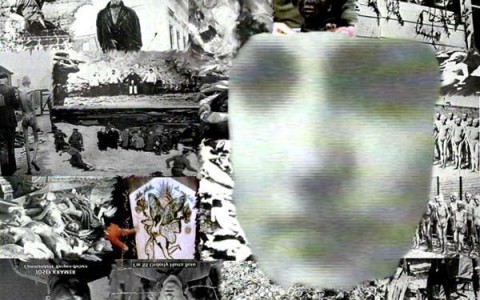 “Haunting Memory” by R. A. Beecroft
 Imagine Art Gallery, Room 1: Children’s Art
Then and Now: Auschwitz Survivors and Artists
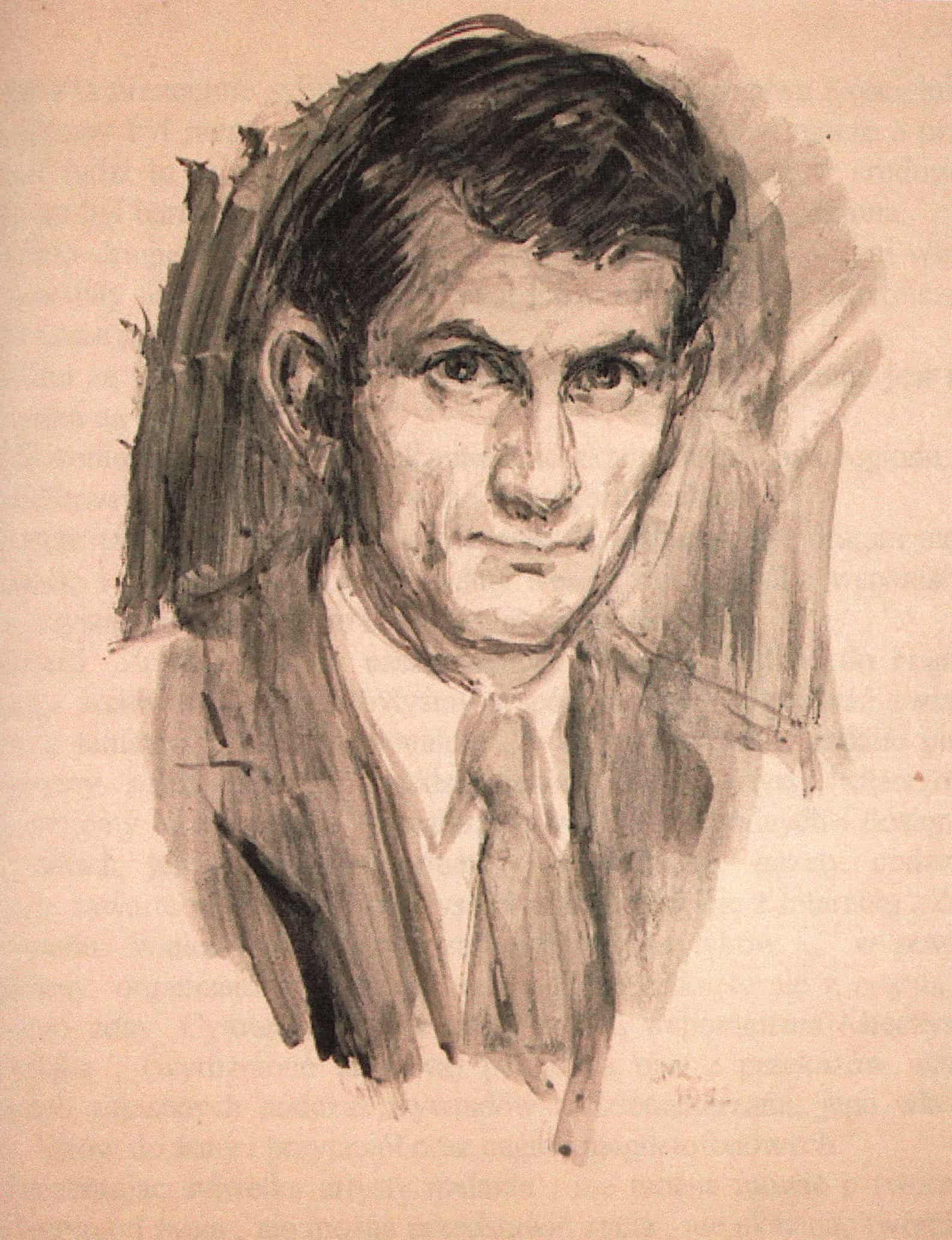

Wooden barracks in Auschwitz II- Birkenau, BIIA. These barracks were actually prefabricated horse stables originally made for use on the Eastern Front, in the invasion of the Soviet Union. Originally intended to house 250 prisoners, these barracks sometimes contained as many as a thousand.
Pen and Ink: Mieczyslaw Koscielniak
Reproduction courtesy of Auschwitz Museum Archive, 1980
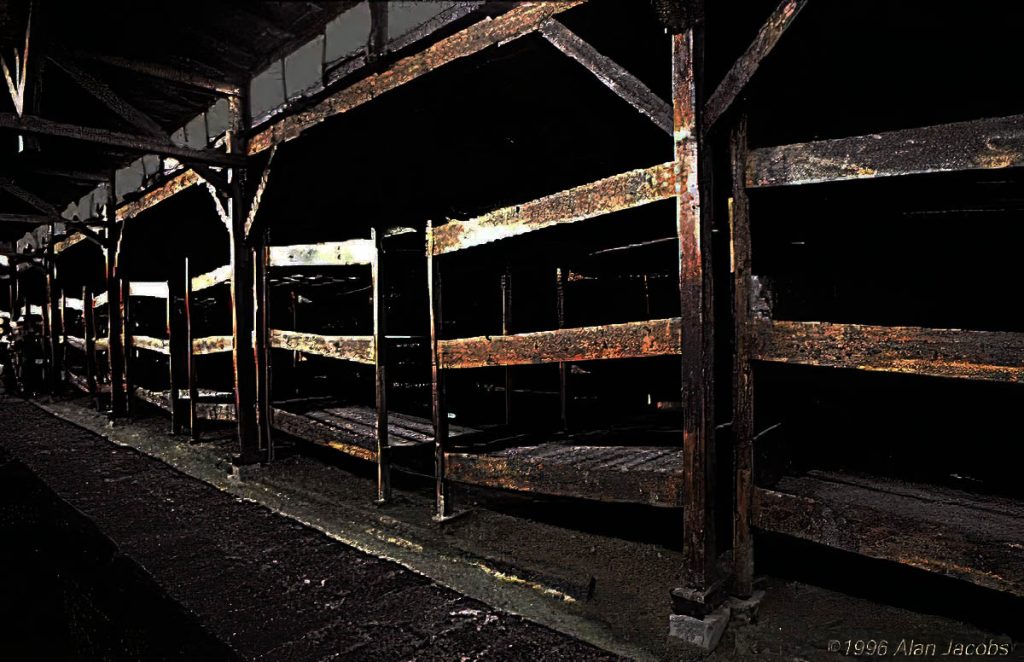
During the war, these hutches were painted white, feigning a semblance of cleanliness.
Originally intended to house 250 prisoners, these barracks sometimes contained as many as a thousand.
The wooden bunks, or “hutches” as they are sometimes called, sometime contained as many as six prisoners on each shelf.
Photo: Alan Jacobs
Jerzy Potrzebowski
Polish painter, underground activist during World War II, prisoner of Auschwitz. He later participated in exhibitions in Warsaw, Krakow, Poznań, and Katowice.

German concentration camps are located at
the Auschwitz-Birkenau State Museum in Oświęcim.
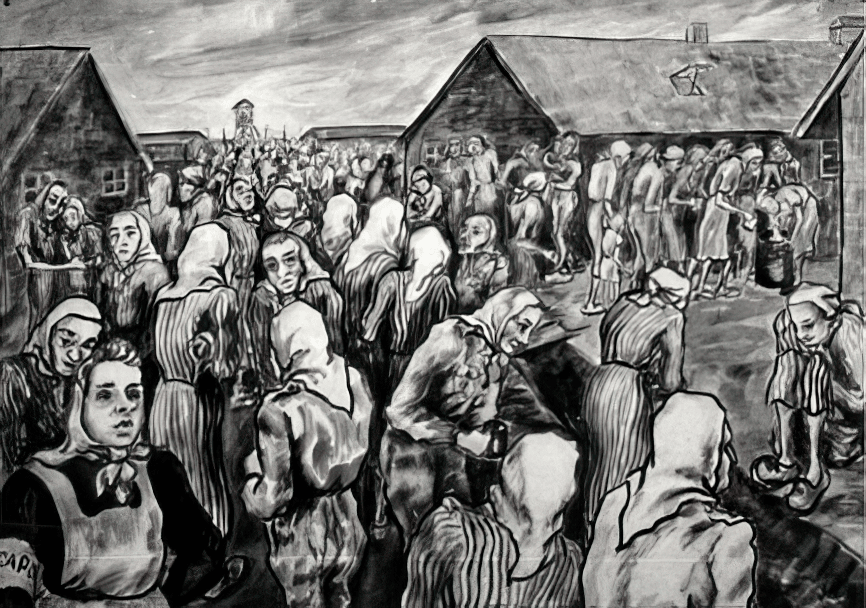
Janina Tollik
At Auschwitz, worked in the penal company. There she began sketching various scenes from camp life. She destroyed many of the works, believing that no one needed them.
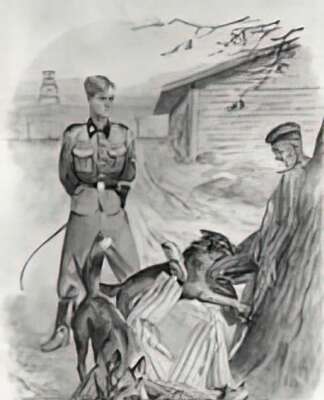
Władysław Siwek
In October 1940 he was imprisoned in Auschwitz, receiving camp number 5826.
Alongside projects commissioned by the SS, he risked his life to create portraits of fellow prisoners, completing about two thousand in Auschwitz. Many of these portraits were sent home by the prisoners to their families.
Tamara Deuel — Survivor artist
“We are given grief and sadness but at the same time we are given love and beauty. And for our continuation we should not hold on to the pain, at least not with all of our power, but believe and live the life that is given to us with love and beauty and start to climb out of the darkness.”
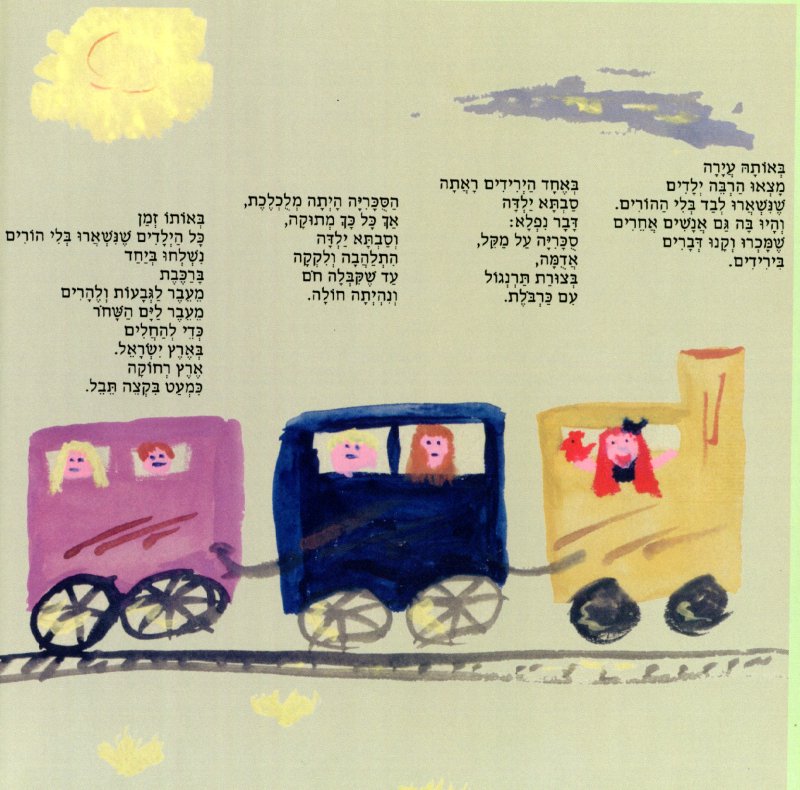
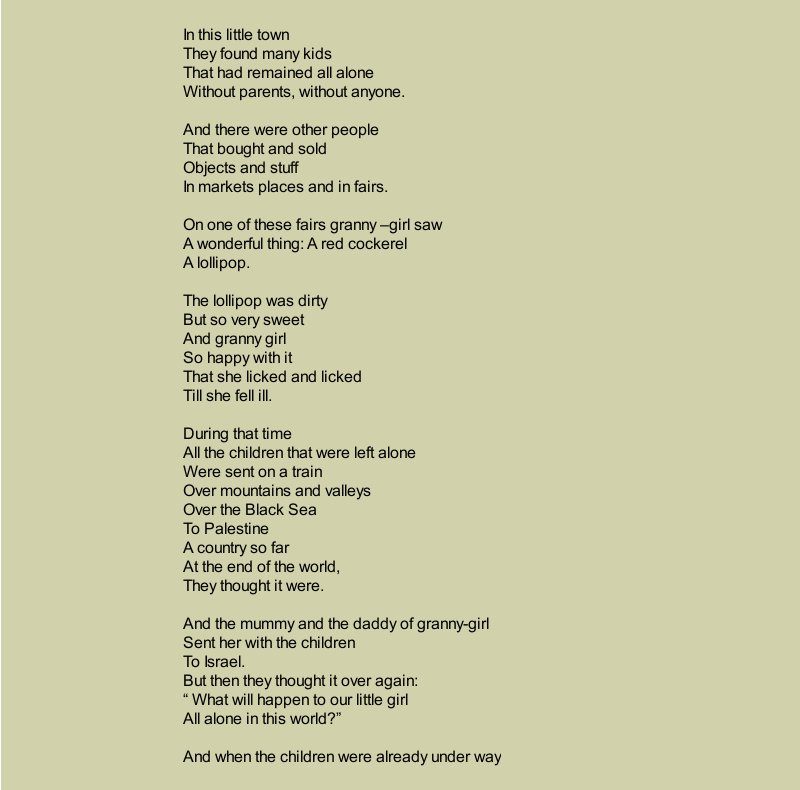
The Story of Granny Girl
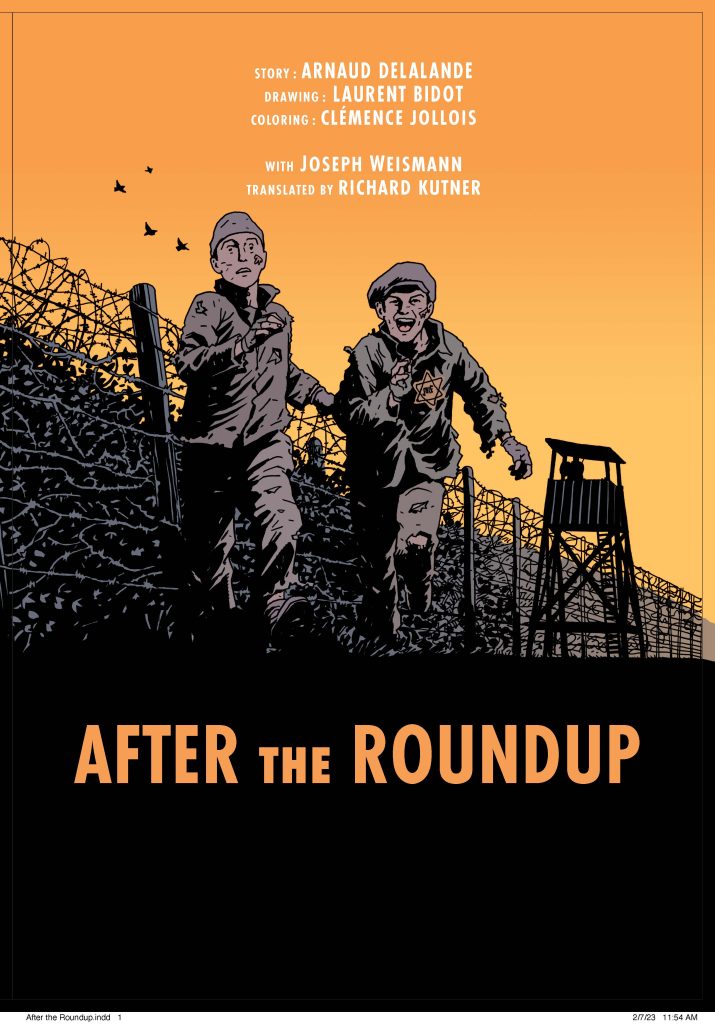
After the Roundup: Graphic Novel


The Empty Mirror
When Remember.org began, this page is where people left their thoughts. In a time when there was no place for those thoughts to be expressed, and the Internet changed all of that within a year. But the same premise of looking at history, and looking at ourselves: shaping how we remember. That’s the art, of listening, of discussion, of witnessing that continues today many years later.
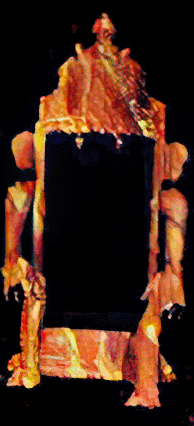
“Throughout Asia, the Empty Mirror is a symbol for the cosmos. The mirror has existed there since time immemorial, turning up in a variety of religions and cultures.
The empty or the cosmic mirror symbolizes The Supreme Goddess as Void. The mirror’s frame structure possesses arms, legs, ears and other corporeal features. It is, however, without centerpiece. The face is missing, is empty; it can be conceived of as Emptiness itself. The mirror can, therefore, serve the empowered viewer as an entryway to the Supreme Reality.”
From the booklet accompanying the CD, Tibetan Bells III/The Empty Mirror 1988